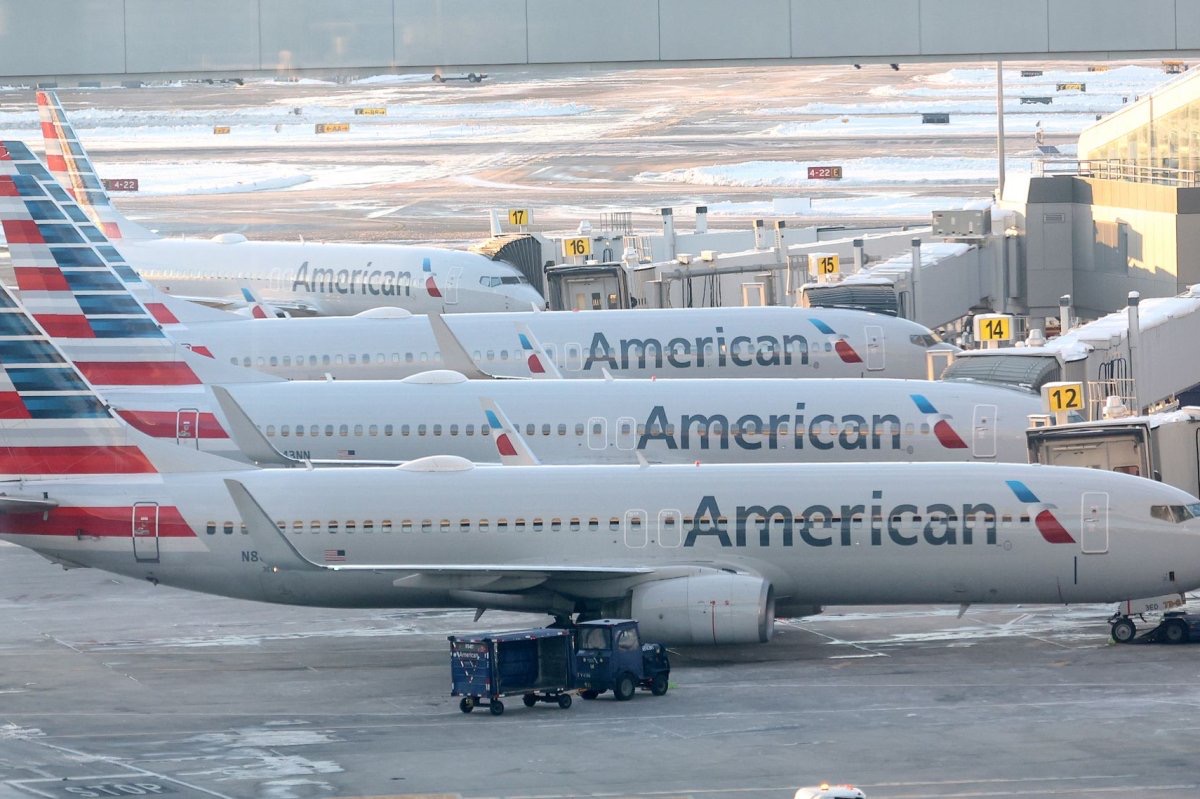
American Airlines just made a pricing strategy decision hiding inside a product announcement.
On Tuesday, the carrier said it will add 4K seatback screens to every seat across its fleet — new Boeing and Airbus planes starting in 2028, with retrofits on older aircraft completed in the early 2030s. The hardware upgrade comes with USB-C fast-charging ports and Bluetooth audio connectivity.
But the bigger number is this: premium seating will grow from roughly 25% of narrowbody capacity to about 40%. That means first-class seats and main-cabin extra-legroom seats will occupy nearly half the plane.
The math is simple. On a sample round-trip from Buffalo-Niagara to Dallas Fort Worth, a main cabin seat runs $419. A main cabin extra-room seat is $700. A premium seat is $1,110. Moving a customer one tier up is worth $281. Moving them two tiers up is worth $691 — on a single booking. Scale that across a fleet and the revenue case writes itself.
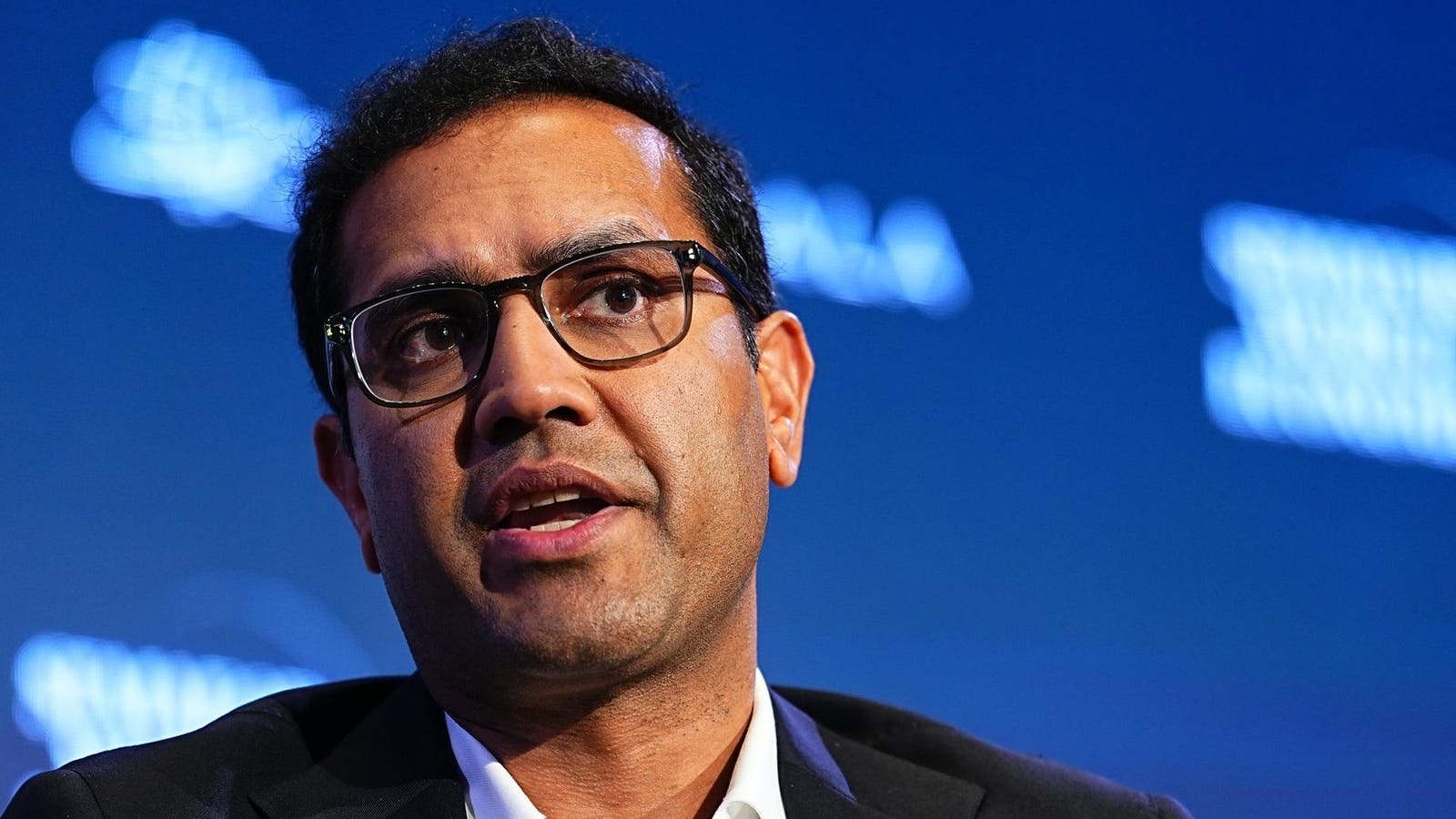
For years, American's leadership argued seatback screens weren't worth the cost or the added weight. Chief customer officer Heather Garboden acknowledged the reversal directly: 'Ultimately, when you have customer preference and customer satisfaction improvements, that also generates revenue,' she told CNBC. The technology, she said, has advanced since the earlier decision.
'We're making one of the most significant investments in the onboard experience in our history,' Garboden said in a statement.
This is a textbook upsell architecture rebuild. American is not just adding amenities — it is restructuring the physical product so that more seats carry a higher price tag by default. Fewer coach seats means less revenue ceiling per flight. More premium inventory means more opportunities to capture customers who will pay for comfort, especially on business routes.
Founders who get this right move faster. The lesson here is not about airlines. It is about what happens when a company stops defending a cost-cutting decision that customers never liked and starts engineering the product around willingness to pay. American held the no-screen position for years because the unit economics looked bad in isolation. The shift came when leadership reframed the question: not 'what does this cost?' but 'what does this unlock?'
Premium cabin expansion is a bet that the traveler who pays $1,110 today becomes a repeat customer tomorrow. If American executes the retrofit timeline and the pricing holds, the revenue per available seat mile on those narrowbodies improves structurally — not because fares went up, but because the mix shifted. That is margin expansion without a price war. Any founder building a tiered product should be taking notes.