Meta settled a multi-state teen-safety lawsuit this week, and the headline number — somewhere between $17.1 billion and $18 billion depending on which attorney general you ask — is not what Meta has actually committed to pay.
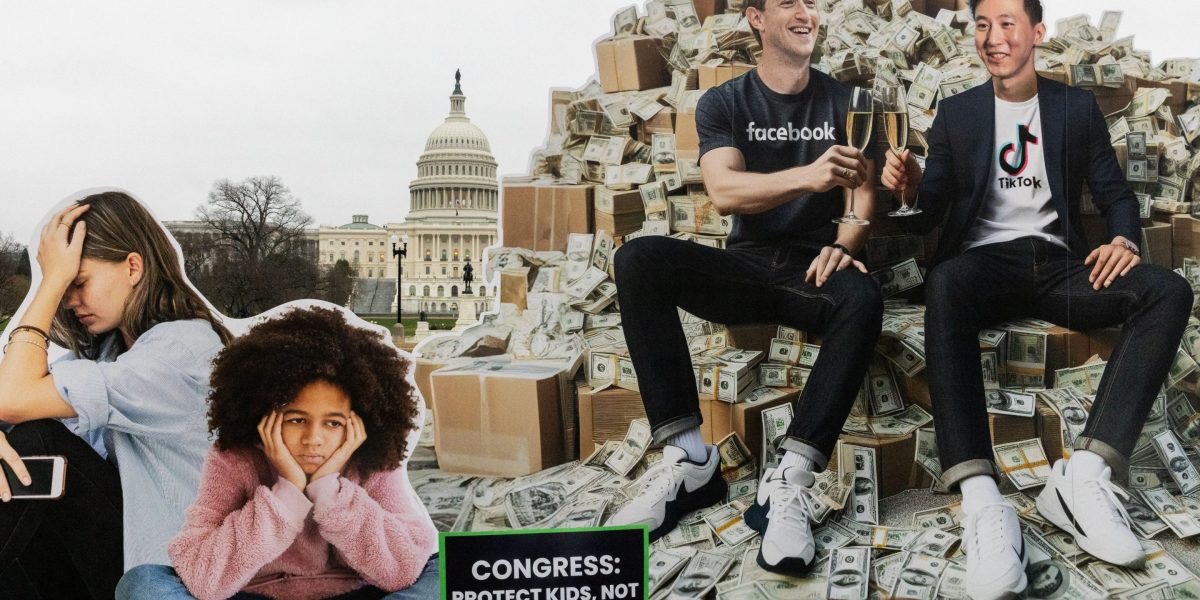
Here is the structure. Meta guarantees a floor of roughly $12.1–12.7 billion (the three state AG offices that led the case each cited a slightly different figure). The remaining $5–5.3 billion is contingent: TikTok and YouTube must each adopt a one-hour daily time limit, night mode, and age-assurance measures matching Meta's, and each must pay a comparable share of their own settlement. If they do not, Meta keeps that money.
Connecticut AG William Tong named Snapchat alongside TikTok and YouTube as a condition of the full payout. California AG Rob Bonta put the total at 'up to $17 billion.' Meta's own accounting reached $18 billion — 70% guaranteed, 30% contingent. None of the three state releases agree on the guaranteed number to the dollar.
What the deal actually requires of Meta
Under the settlement, still pending a judge's signature, teen accounts on Facebook and Instagram will default to a combined two-hour daily limit. Teens need parental permission to turn that off. The platforms will be blocked between midnight and 6 a.m. (messaging remains available), notifications will be silenced during school hours, likes on teens' posts will be hidden by default, extreme makeup filters will be blocked, autoplay video can be disabled, and a non-algorithmic feed becomes an option. Stronger age-detection systems will also be implemented.
If Snap, TikTok, and YouTube all sign on, the daily limit drops further — from two hours to one hour. Meta posted an open letter the same day the settlement was announced, calling on TikTok and YouTube to 'implement this new framework, right away.' Neither responded to press requests for comment. One source told the New York Post that Snap appears open to joining, but there is no indication TikTok or YouTube will follow soon.
Meta did not concede wrongdoing. A court filing states the company 'denies the allegations against it and that it has any liability to the Plaintiffs.'
The settlement covers a lawsuit filed in 2023 by a bipartisan coalition of state AGs alleging Meta designed addictive features that harmed teens and improperly collected their data. The deal extends to 52 attorneys general nationwide, beyond the 29 states that sued in California. Payment runs over ten years. States must direct funds toward 'remediation of harms related to youth social media use' — counseling, wellness campaigns, or after-school programs. Individuals receive nothing.
California litigator Jess Nall, who has spent 25 years defending tech companies, told Fortune: 'It's a huge dollar amount, it sounds really splashy. Although, if you look at it being paid over 10 years and compare it to Meta's annual revenue and market cap, it's not really all that big.' Meta's market cap stands at $1.46 trillion; $17.1 billion is roughly 1% of that. The stock ended the day just 1% higher.
The editorial read
The contingency clause is the most interesting piece of the playbook here. Meta is using a legal settlement to do what regulators rarely manage: create a market-wide compliance incentive without a government mandate. Whether that is clever corporate strategy or a way to soften a $5 billion obligation depends on whether TikTok and YouTube actually move. Founders should watch this structure — it is a rare case where a defendant shapes the rules of the next round before the next case is even filed.
What it is not is a clean win for the administrative state. The guaranteed payout is real, the contingent portion is leverage, and the teens who use all three platforms are still the variable no settlement clause can fully control.