Starbucks announced Monday that its Pumpkin Spice Latte returns to store menus on August 25, kicking off a broader fall rollout that includes new drinks, food items, and limited-time merchandise.
The returning lineup includes the Pumpkin Cream Cold Brew, Iced Pumpkin Cream Chai, and Pumpkin Spice Frappuccino. New additions this season: the Iced Pumpkin Cream Shaken Espresso, Pumpkin Spice Chai, Iced Pumpkin Cream Matcha, an iced banana bread-flavored latte, an iced banana bread chai, and the Chaider — a chai-and-cider-inspired blend.
On the food side, a new Chicken Bacon Protein Pocket packing 20 grams of protein joins the menu, alongside a Hedgehog Cake Pop. Starbucks is also releasing a PSL Society drinkware and hat collection as limited-time merchandise.
The seasonal announcement landed one week after the company reported third-quarter results and raised its annual sales and profit forecasts for the second time. Starbucks now projects global same-store sales growth of near 6%, up from its prior forecast of about 5% or above. Adjusted earnings per share guidance moved to $2.55–$2.65, compared with the previous range of $2.25–$2.45.
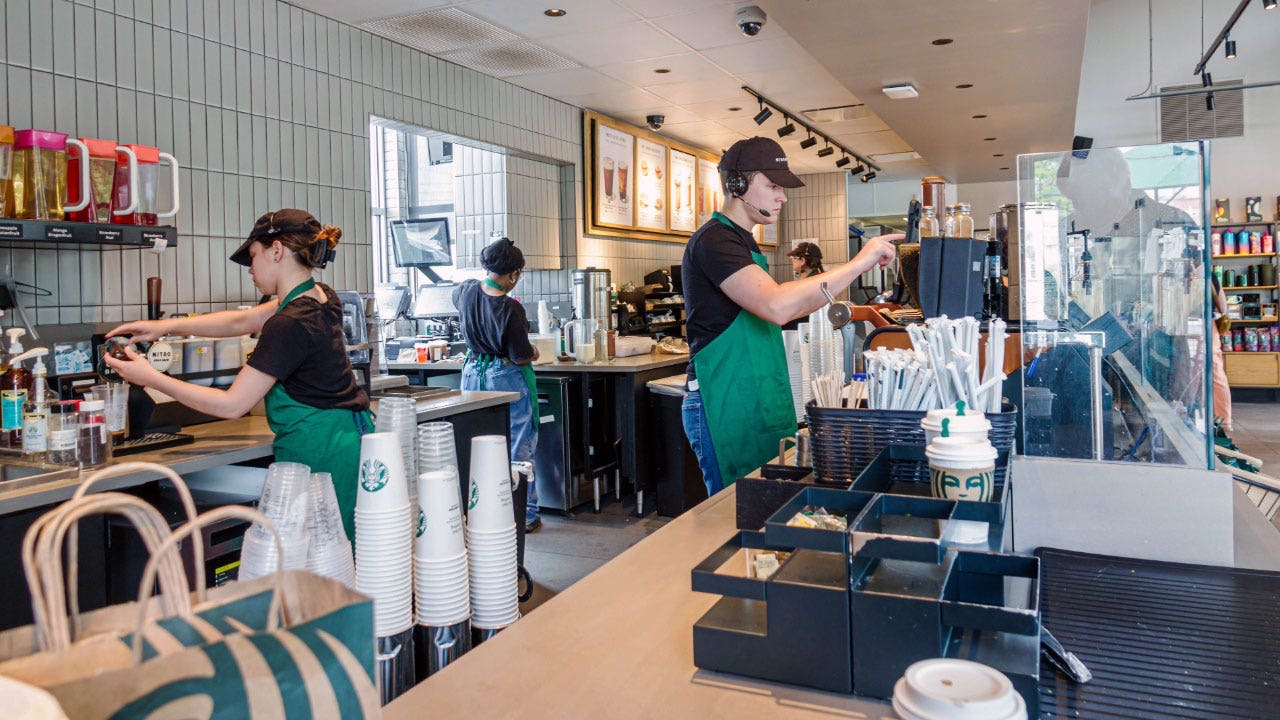
CEO Brian Niccol, whose turnaround plan is branded 'Back to Starbucks,' credited a simplified menu and shorter wait times for fueling the growth streak. 'We have more work to do,' Niccol said in a statement. Finance chief Cathy Smith said the company remains focused on what it can control amid a 'dynamic operating environment.'
Consumer Edge analyst Michael Gunther noted that 'Starbucks has begun to experience market share stabilization in recent months, most notably with younger diners.' He added: 'Consumers may be shifting dining dollars toward in-home eating but are leaving room in the budget for daily drink habits.'
The turnaround has not been cost-free. The Back to Starbucks strategy involved heavy investments in staffing and store operations, which the company has offset through layoffs, office consolidation, and operational streamlining.
The bottom line for founders: Niccol's playbook is a clean case study in trading short-term margin compression for long-term customer loyalty. He simplified the product, invested in speed, cut the bloat elsewhere, and let the numbers follow. Four consecutive quarters of comparable sales growth — and two upward forecast revisions in a single year — suggest the bet is paying off. If your own turnaround involves spending before saving, the sequencing matters: fix the customer experience first, then harvest the cost efficiencies. Starbucks did it in that order, and the math is starting to show.