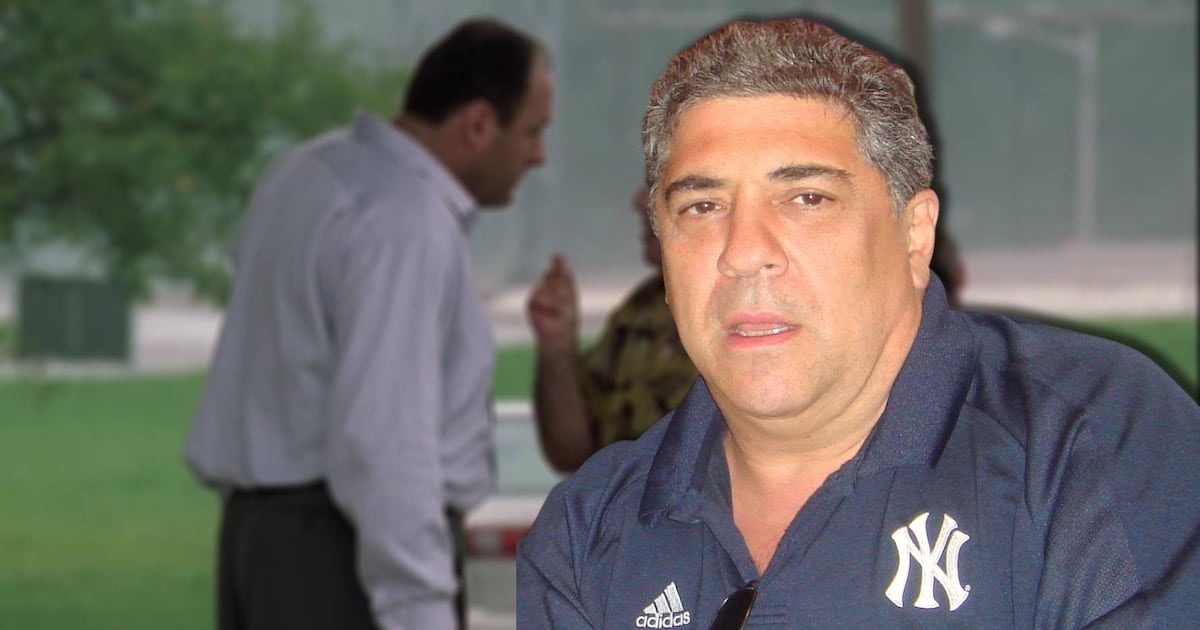
Vin Diesel is done playing it cool.
On Saturday, the actor posted on Instagram that he had just finished reading the script for Fast Forever — the 11th and final installment in the Fast & Furious franchise — and his verdict was unambiguous. 'I just read the Fast Forever script by Mike Leslie. It is the best script I have read in decades,' Diesel wrote. 'I am still crying.'
The film is scheduled to premiere March 17, 2028.
The setup
Diesel's post came alongside a trailer for the original The Fast and the Furious (2001), which returns to theaters August 21 as part of its 25th anniversary run. He told fans the re-release matters: 'You have no idea… When March 17th 2028 comes… you will thank God you got to see the first one in the theaters this summer.'
The franchise has generated $7 billion, and Diesel said last month that he has spent 'over the past three and a half years… grinding to try to make the most amazing finale.'
The business picture
The flagship film series ending does not mean the IP goes dark. Diesel has previously said that NBCUniversal has four TV shows in development set within the Fast & Furious world. A proven $7 billion brand moving into serialized television is a straightforward content-monetization play — extend the audience, reduce per-title risk, and keep the IP alive between theatrical windows.
For founders watching the entertainment business: this is a textbook franchise-to-platform pivot. Build the brand on one high-stakes product line, then license and extend once the core audience is locked in. The math works whether you are selling cars, software, or cinematic universes.
The editorial read
Here is what the market is actually pricing in: a two-year runway to build anticipation, a nostalgia re-release to reactivate lapsed customers, and a script that — if Diesel's reaction is any signal — is designed to close the loop emotionally on 27 years of storytelling. That is not accidental. That is a deliberate product launch sequence.
Free-market IP development, when it works, looks exactly like this: a private franchise, funded by audience dollars, iterating across 11 films and now four TV series, with no government subsidy required. The $7 billion did not come from a grant. It came from customers who kept showing up. Diesel's tears might be the best marketing the studio did not have to pay for.